One moment
We’re getting things ready for you.
We’re getting things ready for you.
What happens next
Treatment availability depends on eligibility and clinician review. Nothing on this page guarantees prescribing, approval, or specific outcomes.
A short intake captures the context your provider needs to review your file.
A licensed clinician reviews your information and approves, requests more, or declines treatment.
When prescribed, fulfillment is handled through the partnered pharmacy with discreet packaging.
Treatment is determined by a licensed clinician after review. Not all patients are candidates. Individual results vary.
What it is, how it works, what it's studied for, and safety considerations.
BPC-157 is a synthetic peptide widely discussed in recovery and sports-wellness communities but supported mainly by preclinical research. This page is educational and not medical advice.
Last updated: July 2, 2026
BPC-157, sometimes called Body Protection Compound-157, is a synthetic pentadecapeptide related to a sequence found in gastric juice. It is not FDA-approved for human therapeutic use, and most evidence involves preclinical studies, animal models, and limited early human safety data.
BPC-157 is studied for potential effects on tissue-related signaling, inflammation-related pathways, angiogenesis, and gastrointestinal or musculoskeletal repair in laboratory models. Its mechanism is not established as a proven clinical effect in humans.
BPC-157 has been studied in preclinical models involving gastric tissue, tendon/ligament repair, wound healing, inflammation, and musculoskeletal injury. Reviews emphasize promising preclinical findings but limited robust human clinical evidence. It is not FDA-approved for any of these uses.
The FDA has flagged BPC-157 in its 503A bulk-substance review, placing it in Category 2 with noted safety concerns, and has cited concerns around immunogenicity, impurities, and inadequate safety information for BPC-157-related compounded products. BPC-157 is also prohibited for athletes under the WADA framework. Current compounding availability for this peptide is subject to that regulatory status.
Use is provider-directed only; no outcome or timeline is promised, and it does not replace standard medical evaluation for pain, injury, gastrointestinal symptoms, or post-surgical care.
Many patients begin with a lower starting option so a licensed clinician can evaluate tolerance, medical history, goals, and safety factors before any adjustments are considered. The starting option shown below is informational and reflects available program data, not self-directed dosing instructions. Final medication, dose, frequency, and treatment plan are determined by a licensed clinician.
Average starting option
Available options
Provider note: Do not change dose, frequency, or route of use unless directed by your clinician.
Important note
Some treatments may involve compounded medications when prescribed by a clinician. Compounded medications are not FDA-approved. The FDA does not evaluate compounded medications for safety, effectiveness, or quality before marketing.
A clinician reviews injury and surgical history, medications, immune issues, cancer history, pregnancy status, and allergies before considering BPC-157, and may determine it is not appropriate.
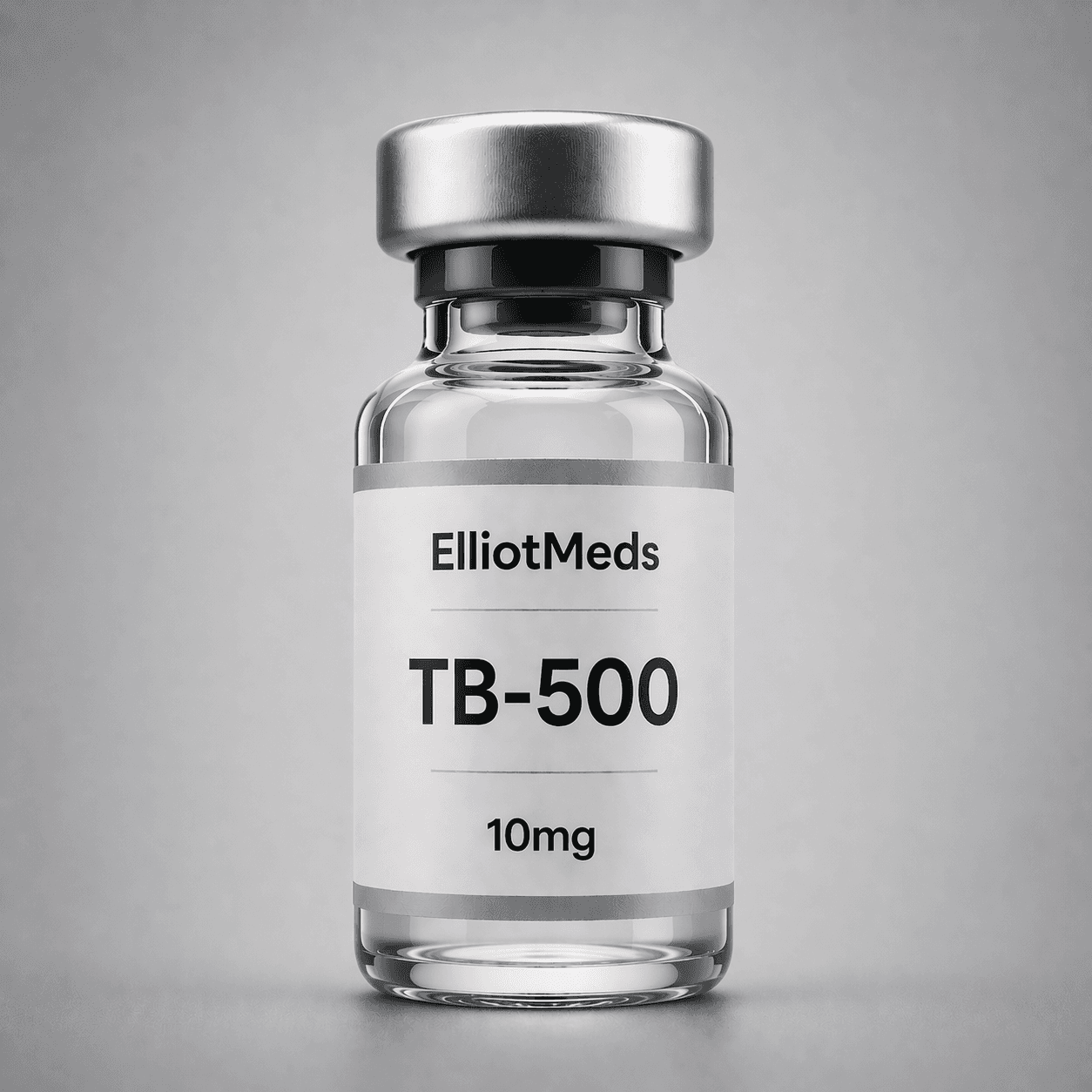
Both are marketed for recovery but are different molecules with different proposed mechanisms — BPC-157 is a gastric-juice-derived pentadecapeptide; TB-500 is a fragment related to thymosin beta-4. Both are preclinical-evidence-dominant and not FDA-approved.
It is not FDA-approved for human therapeutic use; the FDA has flagged it (Category 2) and it is WADA-prohibited for athletes. Its compounding status is subject to that review.
It is studied in preclinical models of tissue and gastrointestinal repair; human clinical evidence is very limited.
No outcome or timeline is promised; use is provider-directed only.
This program does not publish administration protocols; a clinician determines any appropriate use.
No — a licensed clinician decides.
Disclaimer
Although the information on this page is based on available educational research and product information, it is provided for informational purposes only and is not medical advice. Treatment decisions, medication selection, dosing, and eligibility are determined by a licensed clinician after review. Not all patients are candidates, and individual results may vary. Use medications only as directed by your clinician.
Important safety information
This page is informational and does not replace medical advice from a licensed professional. Treatment availability depends on eligibility, clinician review, and applicable requirements. ElliotMeds does not provide emergency medical services — if you are experiencing a medical emergency, call 911 or go to the nearest emergency room.
Other clinician-reviewed treatments related to BPC-157.
Explore other clinician-reviewed treatment programs.