Tirzepatide Peptide Treatment Guide
Learn more about Tirzepatide, including what it is, how it works, what it has been studied for, safety considerations, and how clinician-supervised treatment works through ElliotMeds.
Prescription requires licensed-clinician review. No guaranteed outcomes.
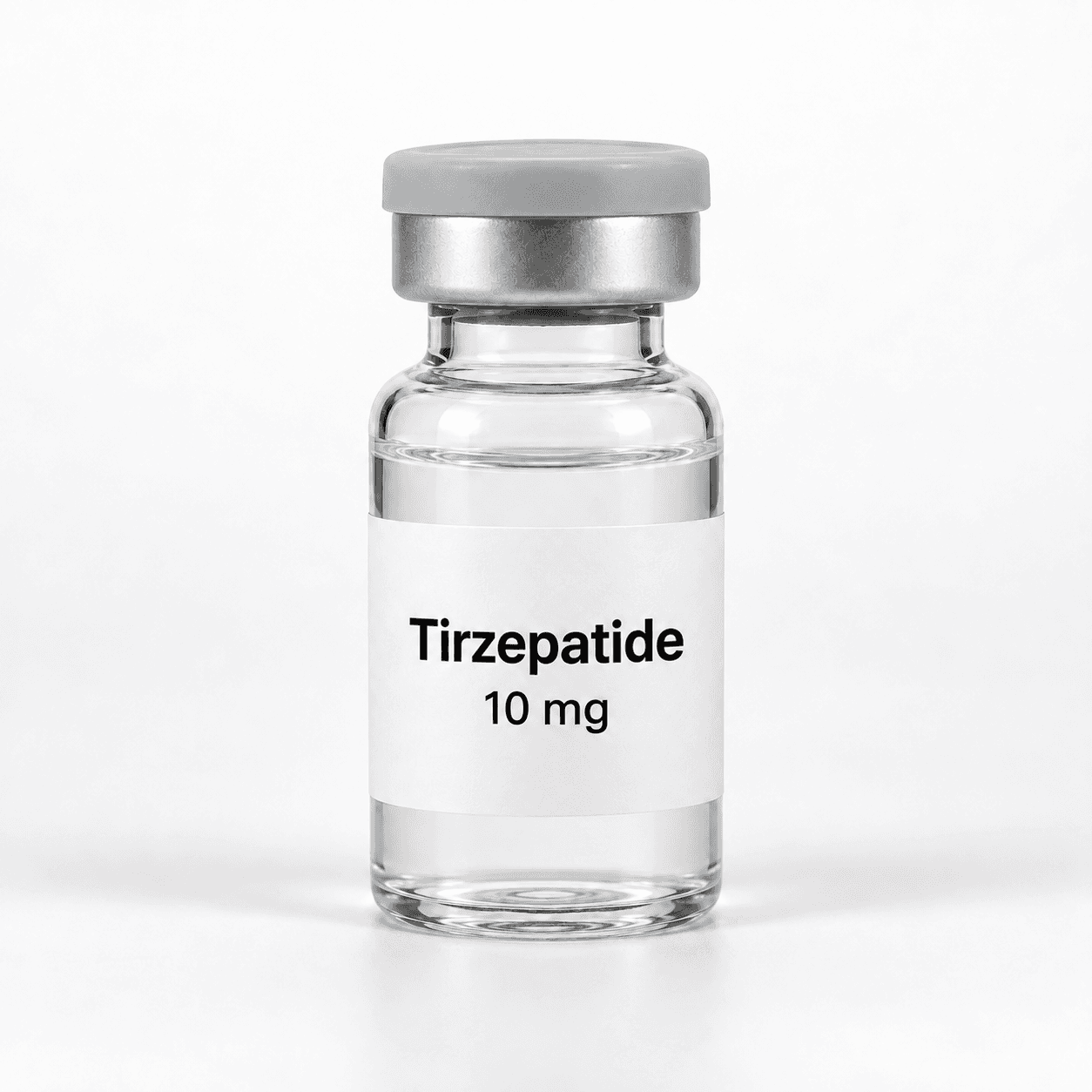
Ready to get started? View Tirzepatide pricing, dosage options, and start a clinician chart review on the treatment page.
View Treatment OptionsTirzepatide is a dual GIP/GLP-1 receptor agonist studied for type 2 diabetes and chronic weight management. This page explains what it is and how clinician-supervised treatment through ElliotMeds works. It is educational and not medical advice.
Last updated: July 2, 2026
What Is Tirzepatide?
Tirzepatide is a dual agonist that activates two incretin receptors — glucose-dependent insulinotropic polypeptide (GIP) and glucagon-like peptide-1 (GLP-1). The only FDA-approved tirzepatide products are Zepbound (chronic weight management) and Mounjaro (type 2 diabetes). Compounded tirzepatide is not FDA-approved and is not the same as either branded product and does not undergo the FDA review approved drugs receive. Since the FDA declared the tirzepatide shortage resolved (December 2024), compounded tirzepatide may generally be prepared only for an individual patient when a licensed clinician documents a specific clinical reason the approved product is unsuitable — not for cost or convenience.
How It Works
By activating both the GIP and GLP-1 receptors, tirzepatide influences appetite and satiety signaling, insulin secretion, glucagon regulation, and gastric emptying. The dual-receptor mechanism is what distinguishes it from GLP-1-only medications. It is not a guaranteed weight-loss outcome, and individual results vary.
What It’s Studied For
FDA-approved tirzepatide has been studied in the SURMOUNT (weight management) and SURPASS (type 2 diabetes) trial programs and carries formal labeling for those uses. A head-to-head trial comparing tirzepatide and semaglutide has been published; this program does not present either as superior — a clinician determines which, if either, is appropriate. Compounded tirzepatide has not been separately FDA-reviewed.
What to Expect
Approved-label tirzepatide is started low and increased gradually over weeks to months, in part to limit gastrointestinal side effects; effects build over time. Timelines vary and treatment is never guaranteed. Weight regain is commonly reported if treatment stops and lifestyle changes aren't maintained. No specific result or timeline is promised.
Preferred Starting Options / Dosing Notes
Many patients begin with a lower starting option so a licensed clinician can evaluate tolerance, medical history, goals, and safety factors before any adjustments are considered. The starting option shown below is informational and reflects available program data, not self-directed dosing instructions. Final medication, dose, frequency, and treatment plan are determined by a licensed clinician.
Average starting option
- 10 mg
Available options
- 10 mg
- 20 mg
- 30 mg
- 40 mg
Clinician note: Do not change dose, frequency, or route of use unless directed by your clinician.
Safety Considerations
- Commonly reported: nausea, vomiting, diarrhea, constipation, abdominal pain, and reduced appetite.
- More serious reported risks include pancreatitis, gallbladder disease, acute kidney injury related to dehydration, and hypoglycemia when combined with insulin or sulfonylureas.
- FDA-approved tirzepatide labeling carries a boxed warning based on thyroid C-cell tumors seen in rodents and contraindicates use with a personal/family history of medullary thyroid carcinoma (MTC) or MEN2.
- No peptide is 'safe' without qualification — risks are weighed by your clinician.
Important note
Some treatments may involve compounded medications when prescribed by a clinician. Compounded medications are not FDA-approved. The FDA does not evaluate compounded medications for safety, effectiveness, or quality before marketing.
Who Is Not a Candidate
Personal or family history of MTC or MEN2; prior serious hypersensitivity to tirzepatide; type 1 diabetes or diabetic ketoacidosis. Not recommended in pregnancy and generally stopped before a planned pregnancy; disclose pregnancy, breastfeeding, kidney disease, gastrointestinal disease, gallbladder or pancreatitis history, and all medications. Your intake also screens for gastroparesis or another condition that slows stomach emptying, a current or past eating disorder, diabetic retinopathy, use of insulin or a sulfonylurea, and any surgery or procedure requiring anesthesia in the next eight weeks. Each of these can change whether treatment is appropriate, or when it can safely begin.
How It Compares
Both tirzepatide and semaglutide are injectable incretin-based medications. Semaglutide acts on a single receptor (GLP-1); tirzepatide acts on two (GIP and GLP-1). They differ in mechanism and side-effect profile; neither is presented as superior, and a clinician determines which, if either, fits.
Frequently Asked Questions
Is compounded tirzepatide the same as Mounjaro or Zepbound?
No. It is not FDA-approved and is not the same as any branded product.
How is it different from semaglutide?
Tirzepatide acts on two receptors (GIP and GLP-1); semaglutide acts on one (GLP-1).
How fast does it work?
Effects build gradually over weeks to months if prescribed; timelines vary and aren't guaranteed.
Who isn't a candidate?
People with a personal/family history of MTC or MEN2, and others per clinical review; not recommended in pregnancy.
Does payment guarantee a prescription?
No — a licensed clinician decides; a prescription is never guaranteed.
References
- FDA Prescribing Information — Zepbound, Mounjaro
- NEJM SURMOUNT and SURPASS trial publications
- Published tirzepatide–semaglutide head-to-head trial
- MedlinePlus — tirzepatide
Disclaimer
Although the information on this page is based on available educational research and product information, it is provided for informational purposes only and is not medical advice. Treatment decisions, medication selection, dosing, and eligibility are determined by a licensed clinician after review. Not all patients are candidates, and individual results may vary. Use medications only as directed by your clinician.
Continue learning
Next step
Ready to start a clinician chart review?
Begin by reviewing the treatment option and completing the secure clinician chart review process.